
Insights Theater, the Alignment Trap, and Research as Ritual
Linnea Hagen leads consumer insights for the core member experience on Netflix television and mobile apps. Her Nivan Live session named three research patterns that refuse to disappear, and made an uncomfortable argument about the present: AI does not remove these patterns, it scales them. This is the most immediately usable framework from the past portal, and the one most likely to change what a research team does on Monday.
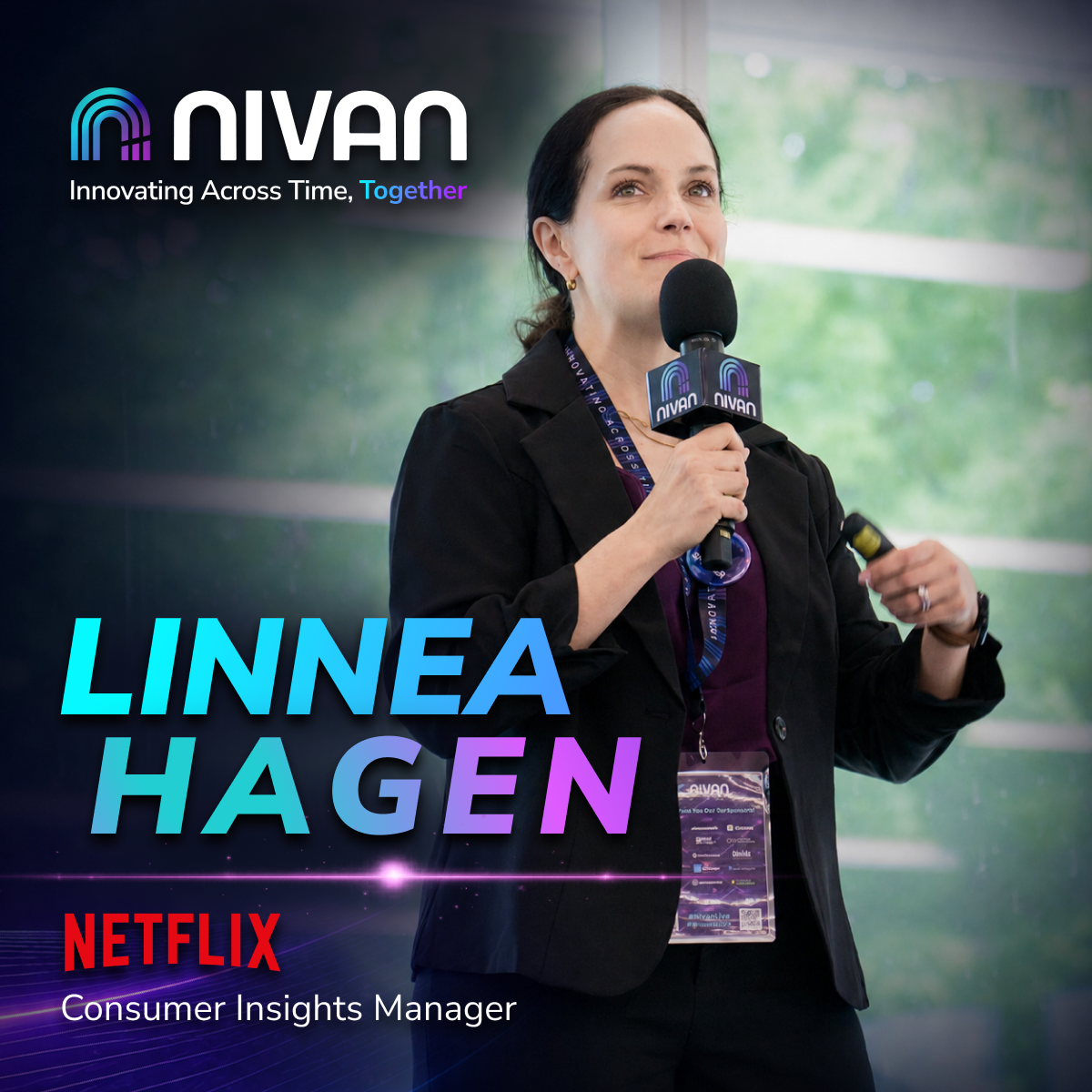
Linnea Hagen at Nivan 2026
Where the patterns come from
Linnea's background is human factors, the study of how people interact with their environment, which historically meant physical things and increasingly means digital ones. She pointed to a book required in her graduate programme that reads as a history of human perspective arriving after the fact, after the aircraft accident or the reactor failure. Research comes in, finds the cause, and the lesson is learned. Research is the hero of that story, which is precisely the problem.
The Groundhog Day feeling
If research repeatedly arrives after the critical decision has been made, the discipline stops being a source of direction and becomes a source of explanation. Linnea was careful to say research has advanced significantly and that she often sees it used at the right moment on the right question. But she argued for keeping the past in the rearview mirror, naming the old failure modes out loud so a team can recognise them returning.
Pattern one, insights theater
This is research run to confirm what everyone in the room already believes. There is a time and place for it and it can be used deliberately. The concern is that it is demonstrative work validating a decision already taken, which makes it the first thing that should be cut when a team is moving fast. If everyone knew the finding in advance, it is worth asking honestly whether an insight was produced at all.
Why AI makes insights theater worse
A survey can now be written and fielded faster than ever. If nobody has asked what the goal is or why the insight is needed, the speed simply multiplies the volume of research that confirms the obvious. Linnea's warning is about dilution. When most research output demonstrates or quantifies what the organisation already feels, the perceived value of all research falls with it.
Pattern two, the alignment trap
Stakeholder A cannot agree with stakeholder B, so research is commissioned to break the tie. Hands went up across the room. Linnea's objection is structural rather than practical. Mediating between disagreeing parties should not be the function of research, because driving towards a decision belongs in everyone's job description. Research spent on tie breaking is research not spent on the questions nobody is asking.
The version of the alignment trap worth keeping
Here she made the constructive move. Finding commonality, averages and shared patterns is something AI genuinely does well. So let it. Use it to help two stakeholders locate their overlap and a path forward, and redirect human research towards the uncomfortable corners, the tension and the nuance, the places where nobody is looking yet. That is where insight becomes interesting again.
Pattern three, research as ritual
This one sounds like a compliment. A company that says it runs research as a ritual, always before launch or always in discovery, sounds disciplined. Linnea pushed back. A ritual is a checkbox, and research should be more thoughtful than a thing done repeatedly because it is what we do. When the rhythm becomes comfortable, that is usually the signal to break it.
What happens when a checkbox meets automation
AI is extremely good at completing checklists quickly. Flood an organisation with automated checkbox research and the result is a large volume of reports and very little meaning or impact. The output metric rises while the outcome metric stays flat, and nobody notices for a while because the dashboards look busy.
What the freed capacity is for
Linnea reframed her own framing at the end, noting that the real subject is not AI but humans using AI deliberately. If validation research disappears, teams can think harder about purpose and the larger goal. If pattern finding is automated, researchers can push on uncertainty and tension. If a survey and a report take seconds, the remaining human time belongs to the deeper questions we need answered rather than the ones we happen to be able to produce.
Why this matters beyond research teams
Product leaders should read these three patterns as a spending audit. Any research that validates a made decision, resolves an internal disagreement, or exists because the calendar says so is capacity that could be aimed at the unexamined assumption underneath the roadmap. The framework is portable, memorable and easy to apply in a planning meeting, which is exactly why it travels.
The optimistic reading
Linnea ended on something closer to relief than warning. She is more excited about breaking these patterns now than she has been before, because the tools finally make it possible to stop doing the low value work rather than merely complaining about it. Escaping Groundhog Day requires choosing to, and the choice has never been cheaper to make.
