
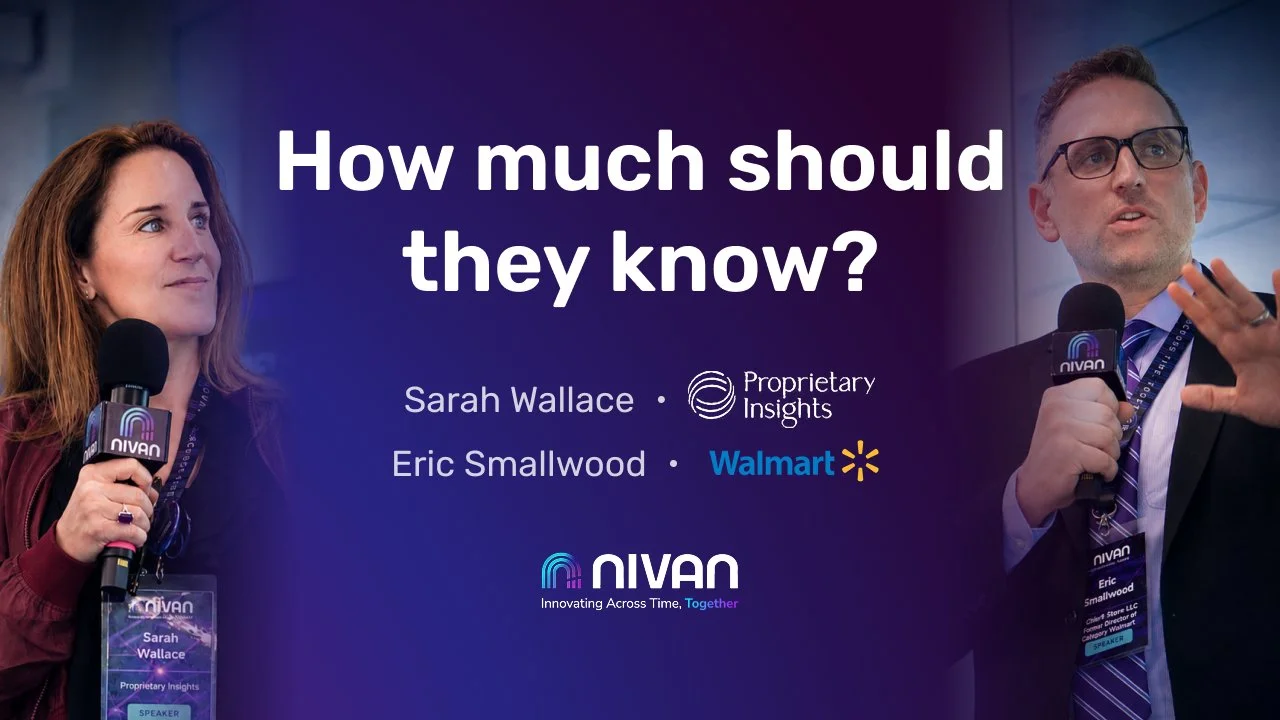
Creative Duel: Personalization versus Privacy
Sarah Wallace argued that generic is not neutral and that relevance builds trust. Eric Smallwood argued that privacy was once the default and quietly stopped being one. A room of people who build personalized experiences voted for privacy, which is the finding worth sitting with.
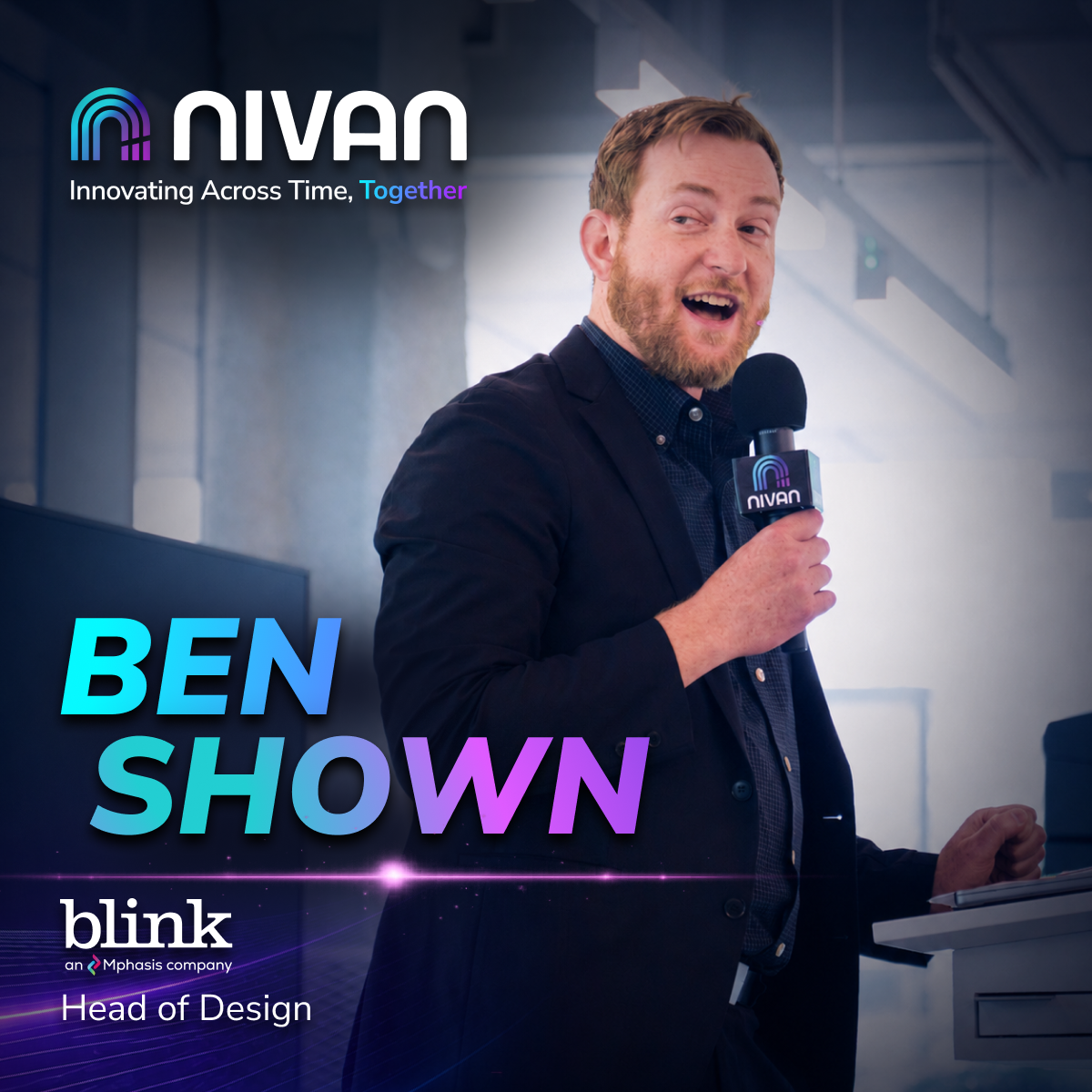
Concept Car, Manifesto, Trojan Pony: Three Ways to Build a North Star
A diamond company invented the two months salary rule and with it an entire frame of reference. A North Star does the same thing for a product team. Ben Shown of Blink UX on three ways to build one, three reasons they fail, and what to do the day after you have one.
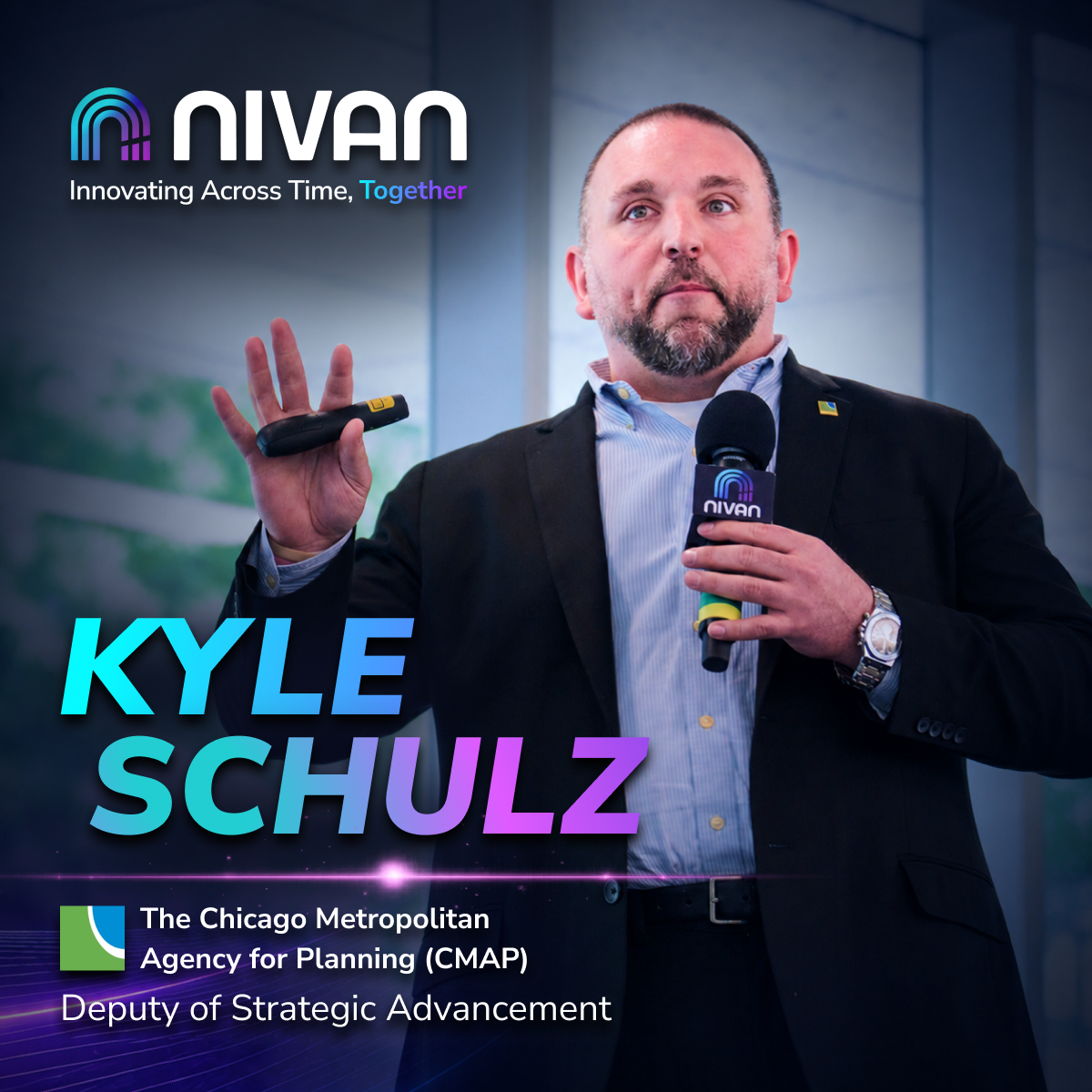
Polycrisis and the Century Plan: Designing Chicagoland for the 22nd Century
Burnham's 1909 plan still shapes the Chicago lakefront a century later. Kyle Schulz of the Chicago Metropolitan Agency for Planning on what comes next, the compounding crises the region has to survive, and why data centres are this century's railroads.
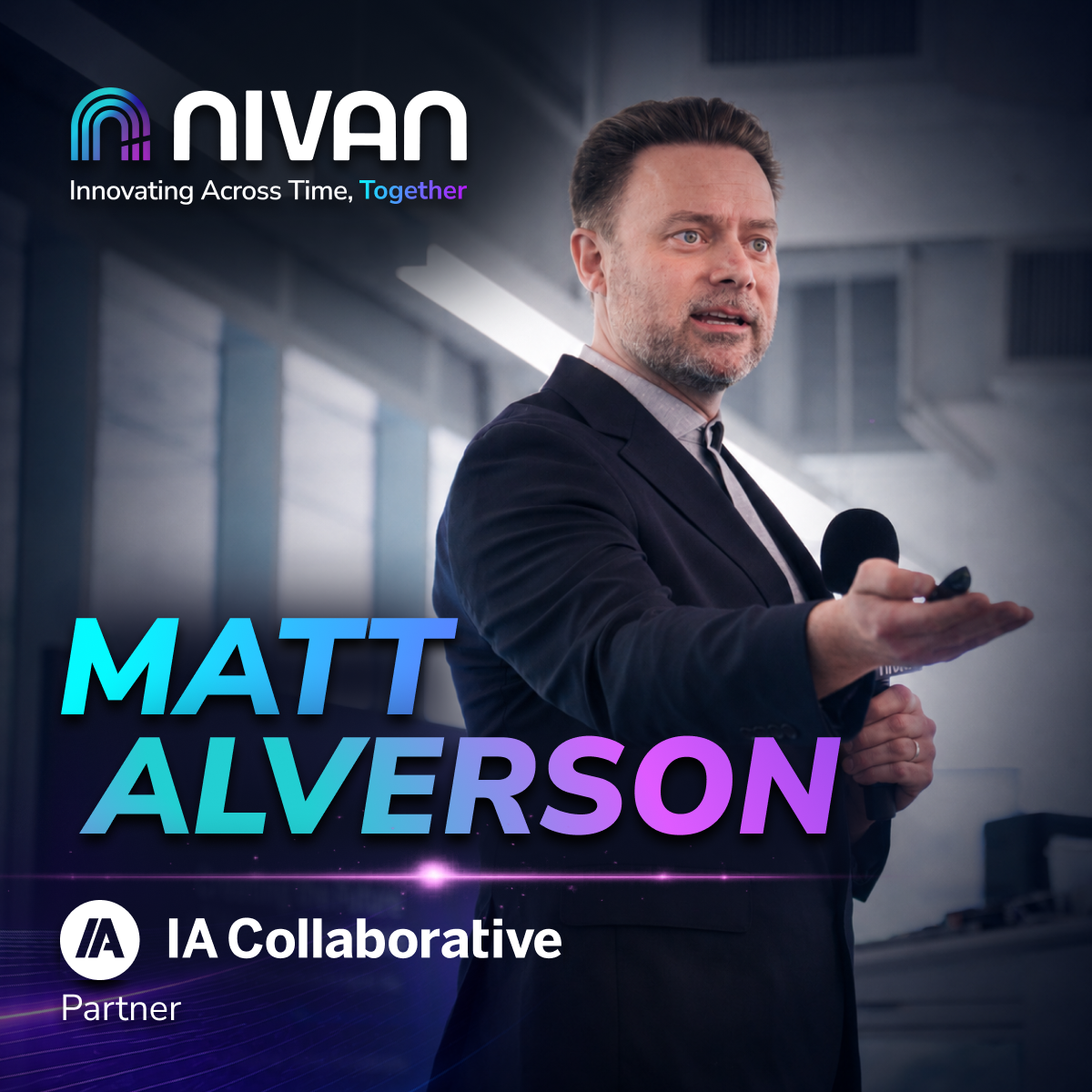
How Change Has Changed: Living Through a General Purpose Technology Pivot
Technology moves exponentially and organisations change logarithmically, which is why many will never get past pent up potential. Matt Alverson of IA Collaborative on general purpose technology pivots, the intent economy, and building for a web that agents cross on your behalf.
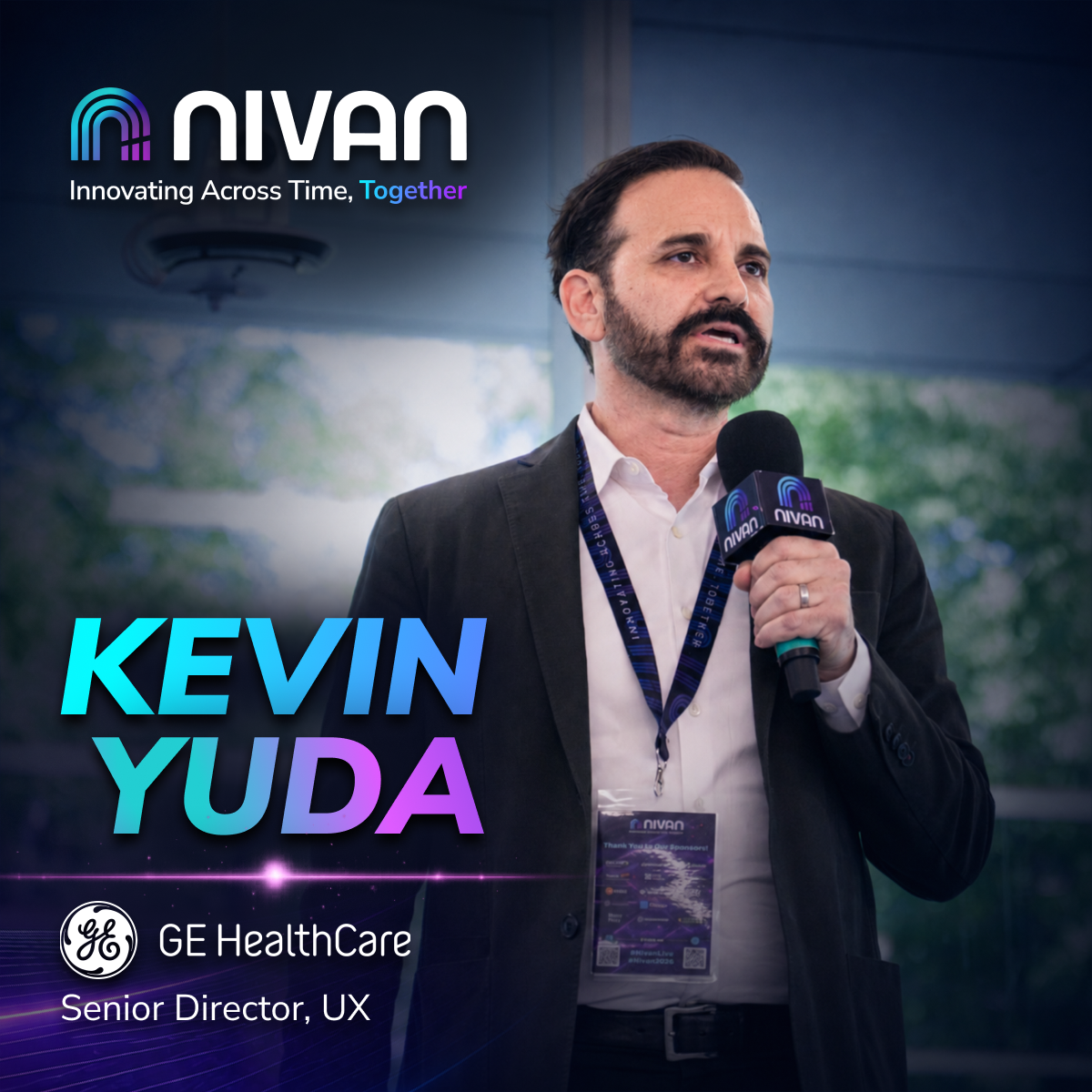
Too Quiet the AI Gets Missed, Too Loud the Patient Does
A patient arrives, a clinician captures an image, and AI runs on it. There are three actors in the room where there used to be two. Kevin Yuda of GE Healthcare on designing that presence, and why every choice in it is a patient safety choice.
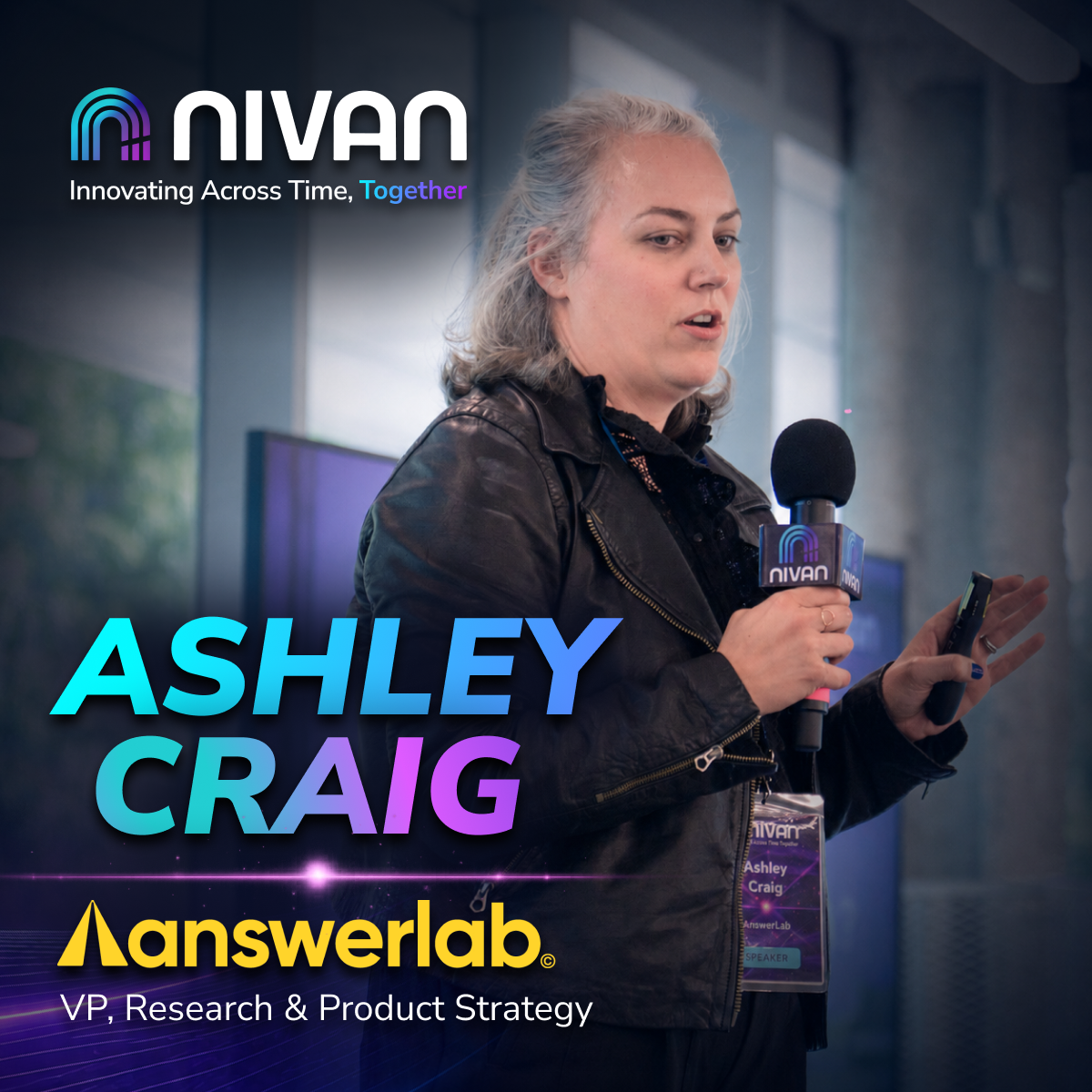
Your Data Cannot See the Future
The word data has quietly narrowed to mean one kind of evidence, and that narrowing became structural just as the industry entered a moment requiring invention rather than optimisation. Ashley Craig of AnswerLab on metrics as values, and the device nobody mounted on a wall.
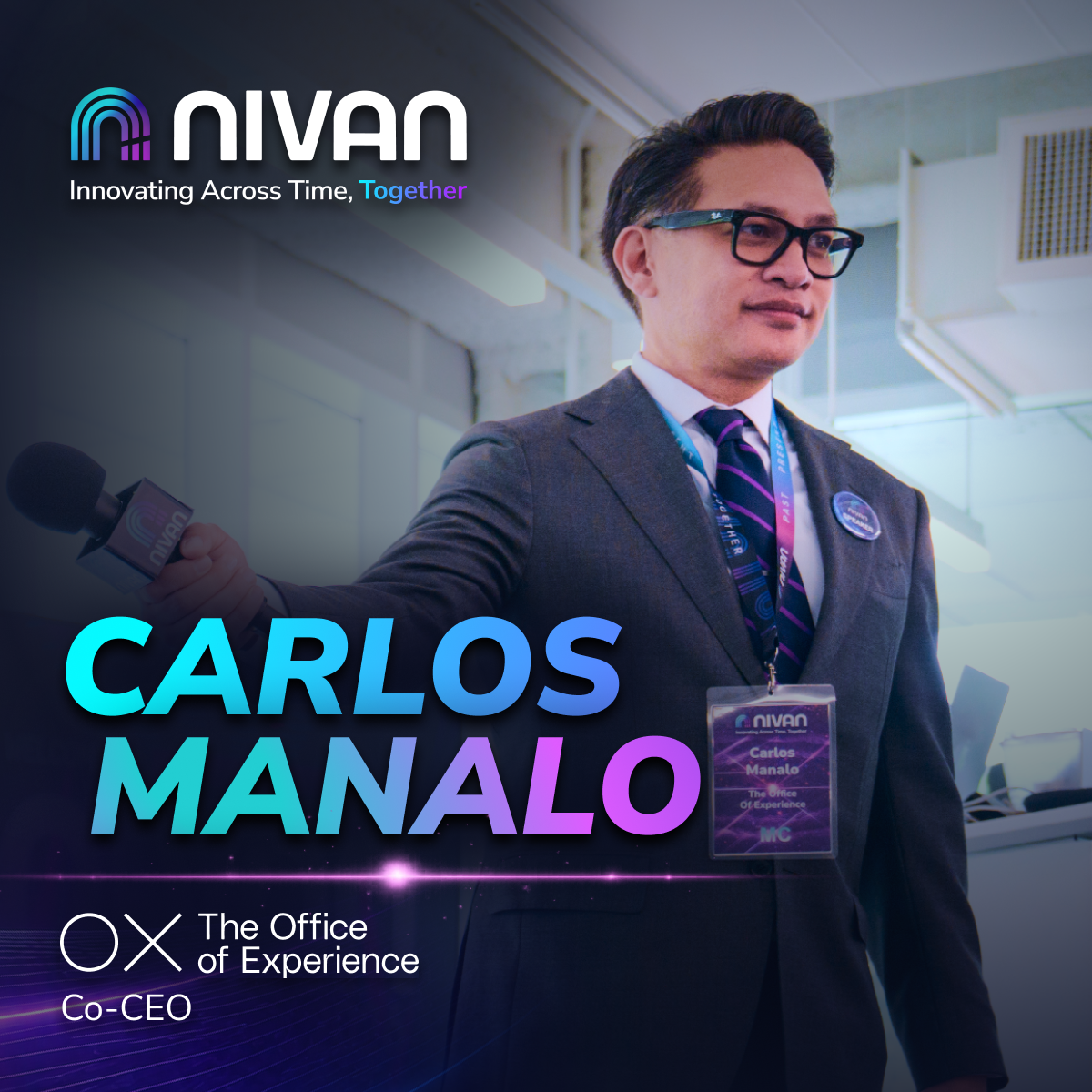
From the New Bauhaus to Now: Why We Sat in That Building
The Bauhaus manifesto came out of a war. The Agile manifesto came out of a room of frustrated developers and redirected a generation of careers. Carlos Manalo on why the newest AI manifesto was written for the boardroom, and what practitioners need to write instead.
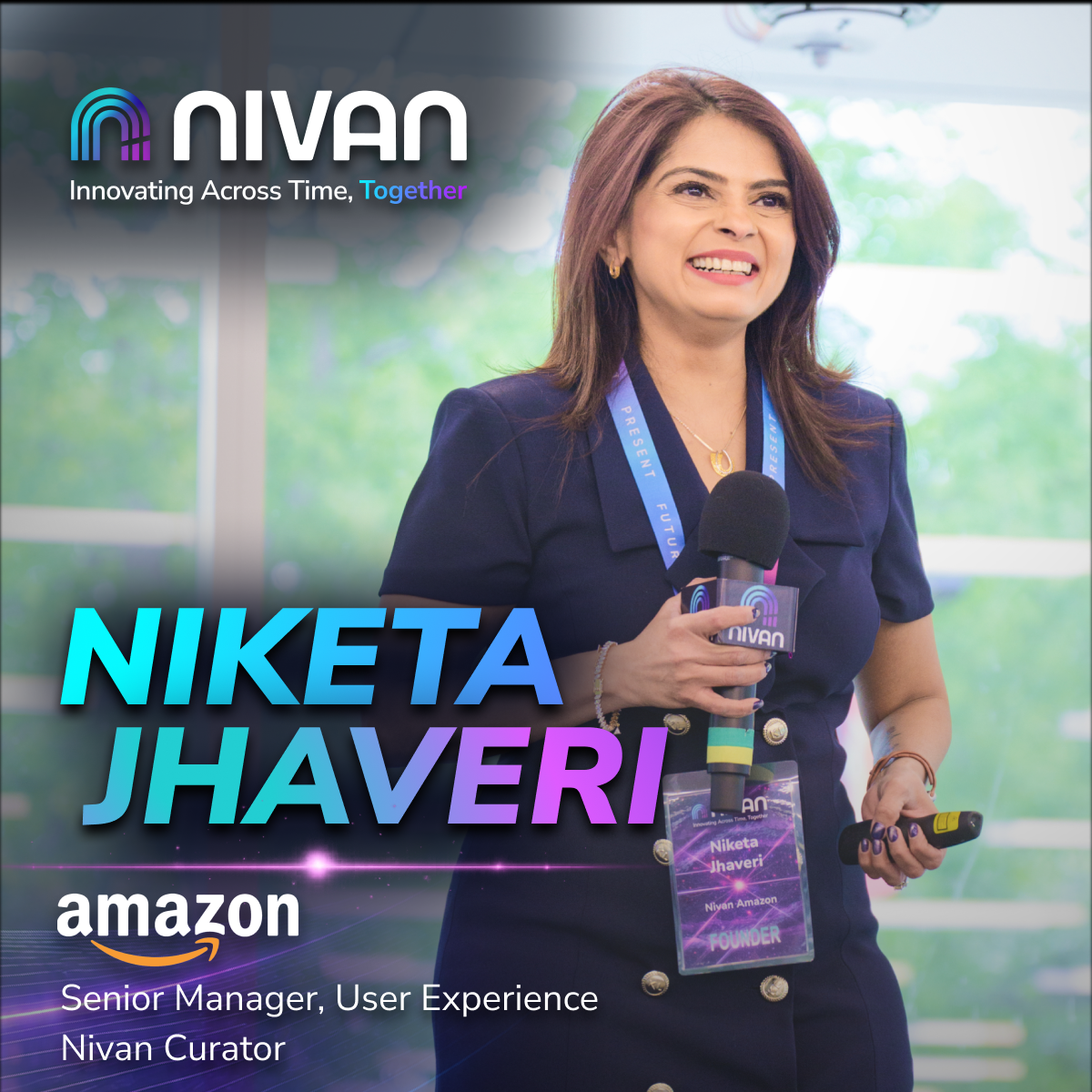
Innovating Across Time: Why Nivan Is Not a Conference
Conversations about innovation have become fast and shallow, looking only at what is next. Nivan was built differently, bringing past, present and future into one room. The thinking behind the three innovation portals, and the ten tenets of the Nivan Manifesto.
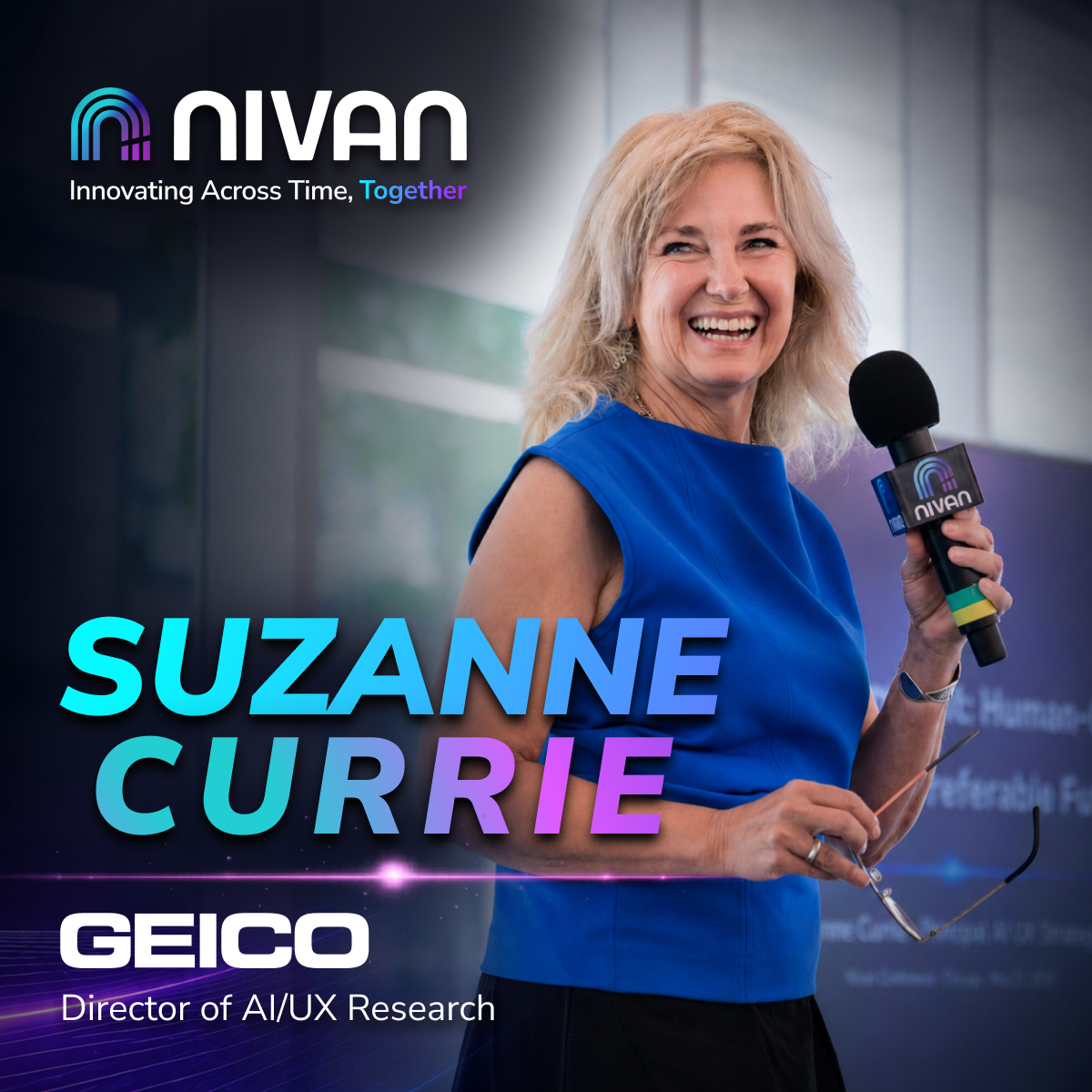
One Technical Lens Is Not Enough: The Phoropter and the Boat
The technical worldview inside AI teams was inherited rather than chosen, and it operates quietly beneath every design decision. Anthropologist Suzanne Currie offers two metaphors and six human lenses for steering a system that the technical lens alone cannot steer.
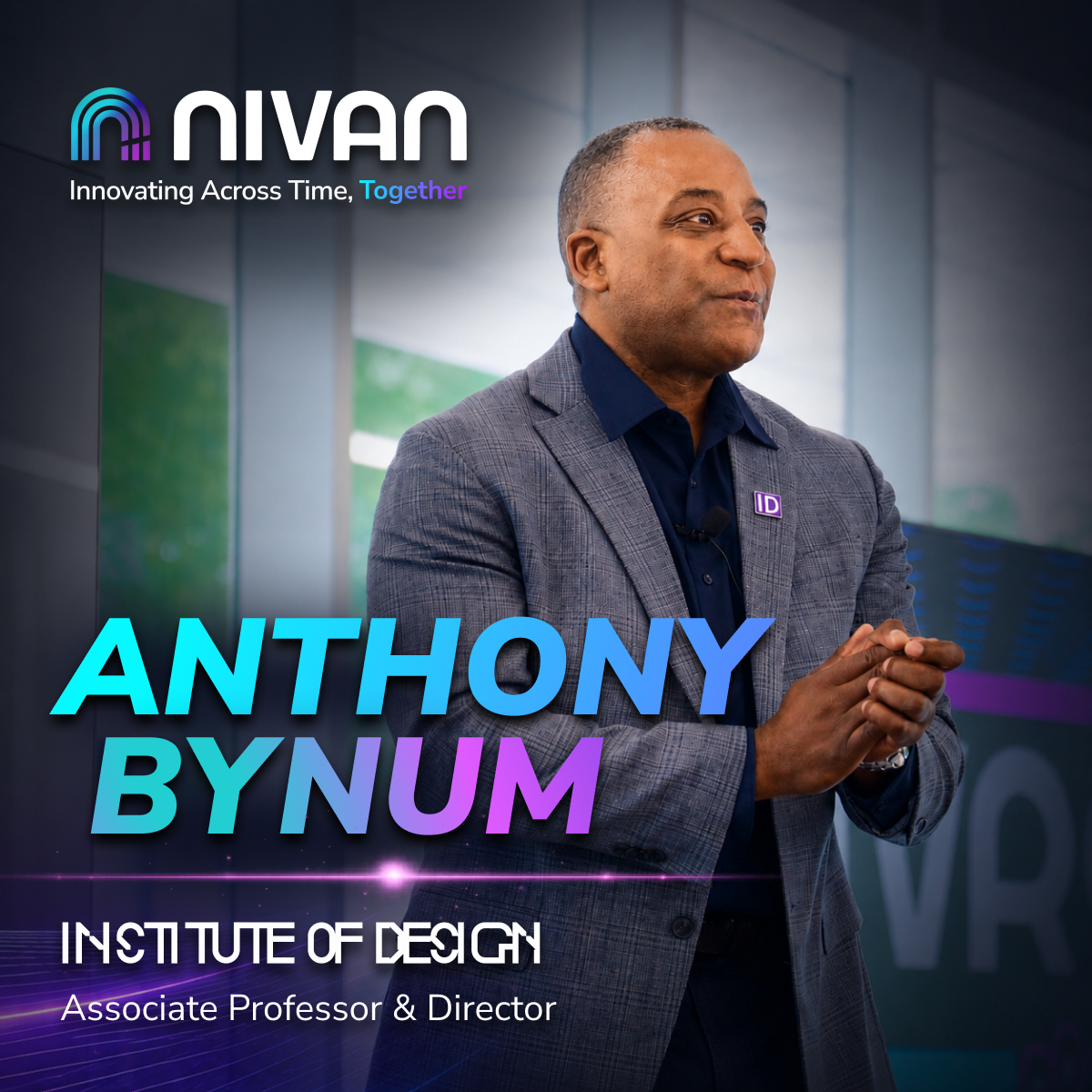
Show Me the Breadcrumbs Back to the Real Problem
Most teams jump straight to brainstorming. Tony Bynum of the Institute of Design asks for the breadcrumbs back to the real problem, then offers a structured, repeatable way to move into an uncertain future that anyone can use regardless of job title.
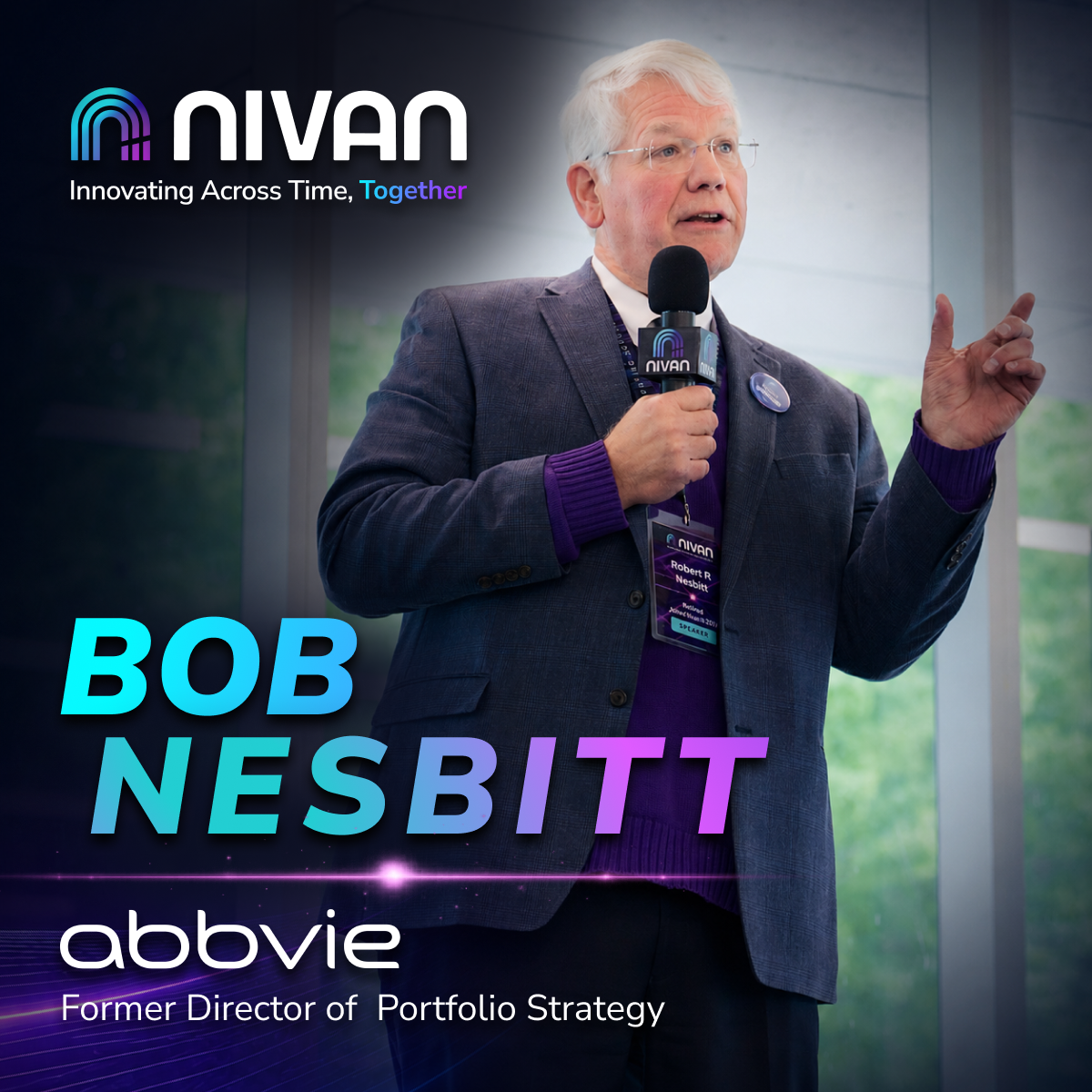
AI Would Have Designed a Minivan With One Door
Two products, an auto injector and a minivan, and one argument. Both innovations were invisible in the existing data, and both came from cross functional teams who stopped talking long enough to watch people struggle. Bob Nesbitt on why AI cannot do this part for you.
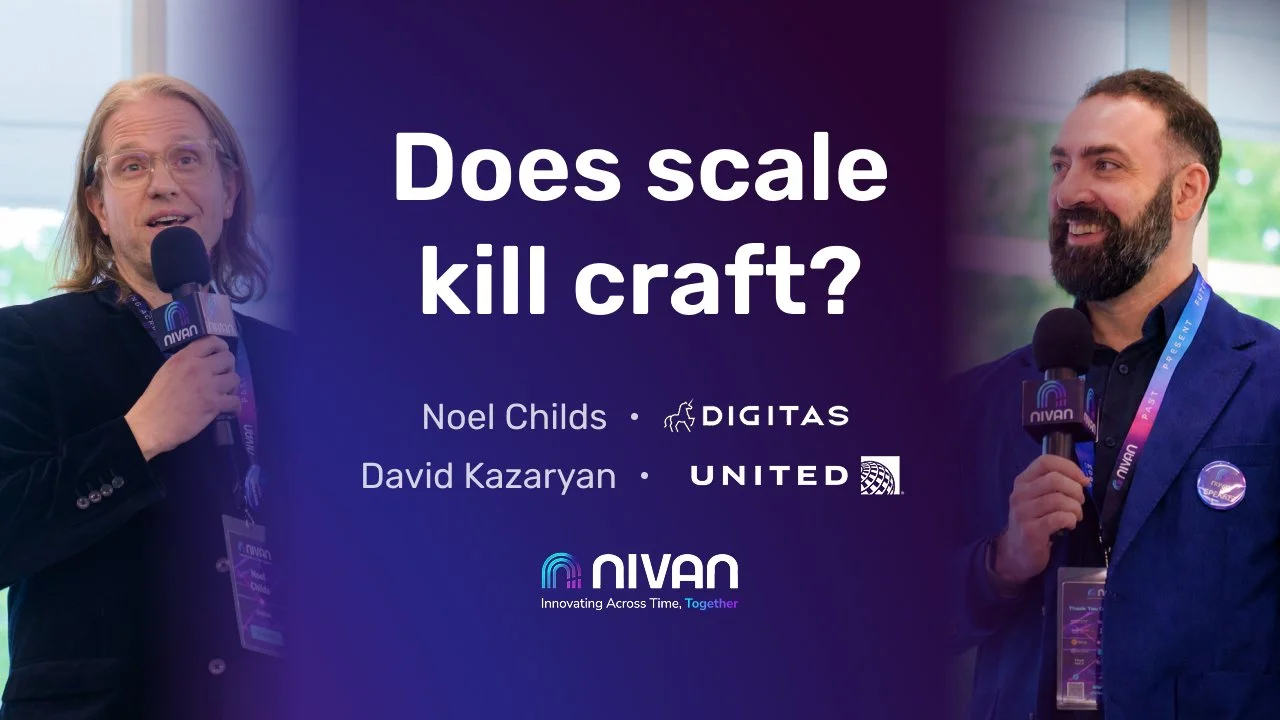
Creative Duel: Scale versus Craft
Noel Childs of Digitas argued that the profession has scale wrong. David Kazaryan of United argued that customers do not care how fast you ship. One rule applied. No compromise. The room voted and produced a tie, which turned out to be the most revealing result available.
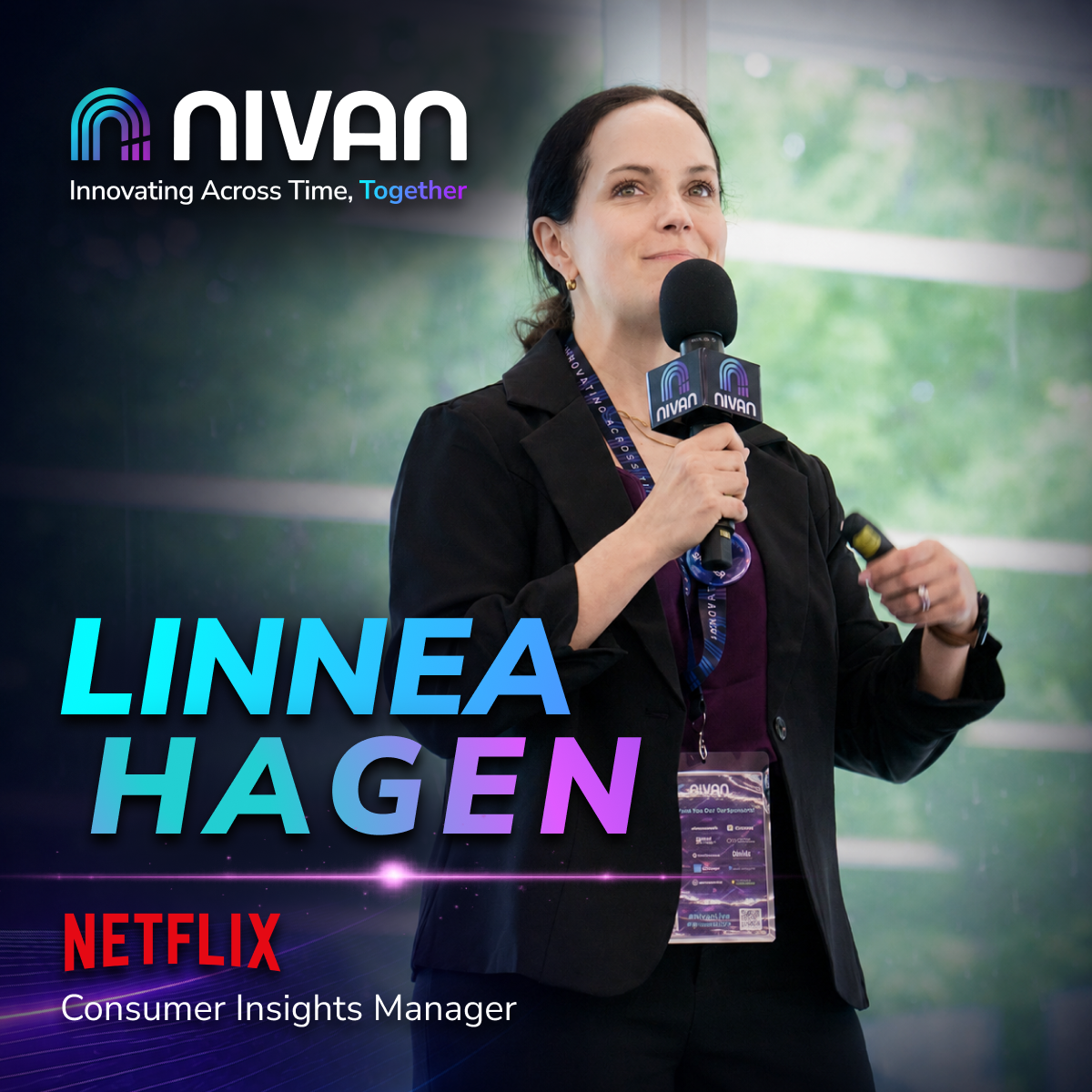
Insights Theater, the Alignment Trap, and Research as Ritual
Insights theater. The alignment trap. Research as ritual. Three patterns that refuse to disappear, named precisely by Netflix consumer insights manager Linnea Hagen, along with the uncomfortable observation that AI does not remove any of them. It scales all three.
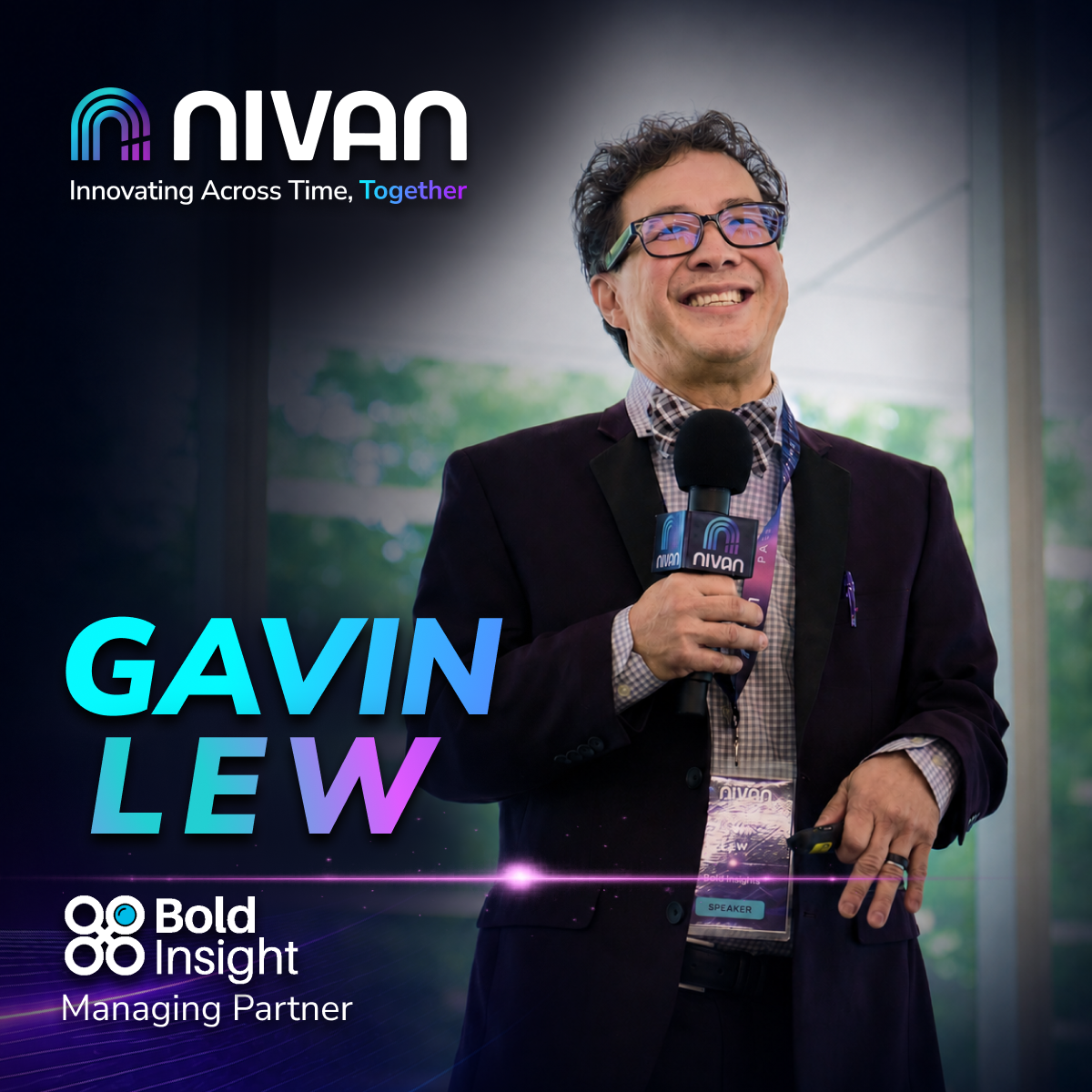
Assume It Works: Why the Steam Engine Only Paid Off in New Factories
Steam engines installed in existing factories produced no productivity gains. The gains arrived only when factories were built assuming the engine. Gavin Lew applies that pattern to autonomous vehicles, fleet operations, and the invisible ecosystem that decides whether an innovation survives its own success.
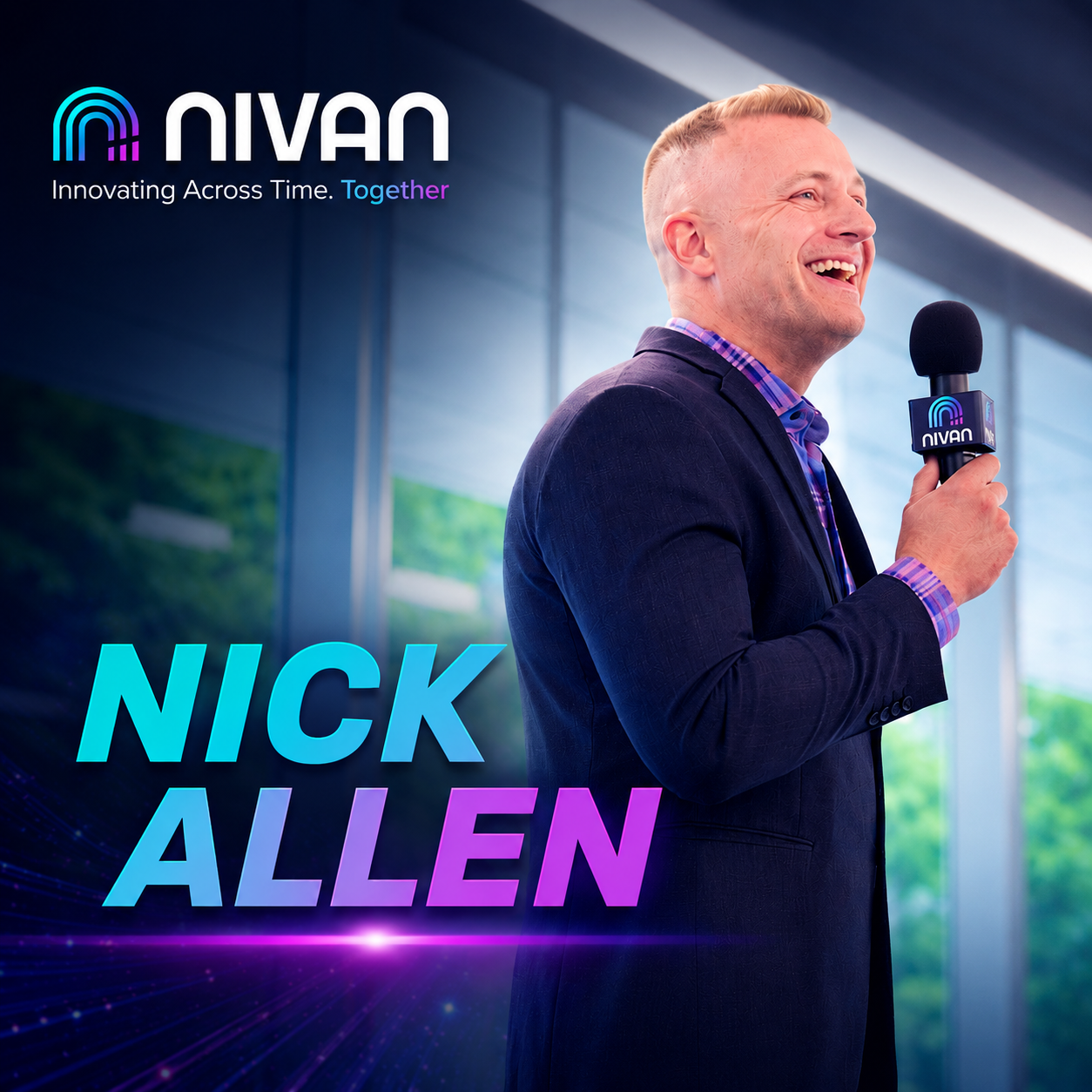
Mr. Parts: What a Wrong Delivery Taught Us About Designing for People Who Cannot Wait
A field engineer opened a delivery box, knew instantly it held the wrong part, and made a phone call home about a recital he would miss. Nick Allen traces what happened next, from order history nobody valued to a hospital data business built after a layoff.
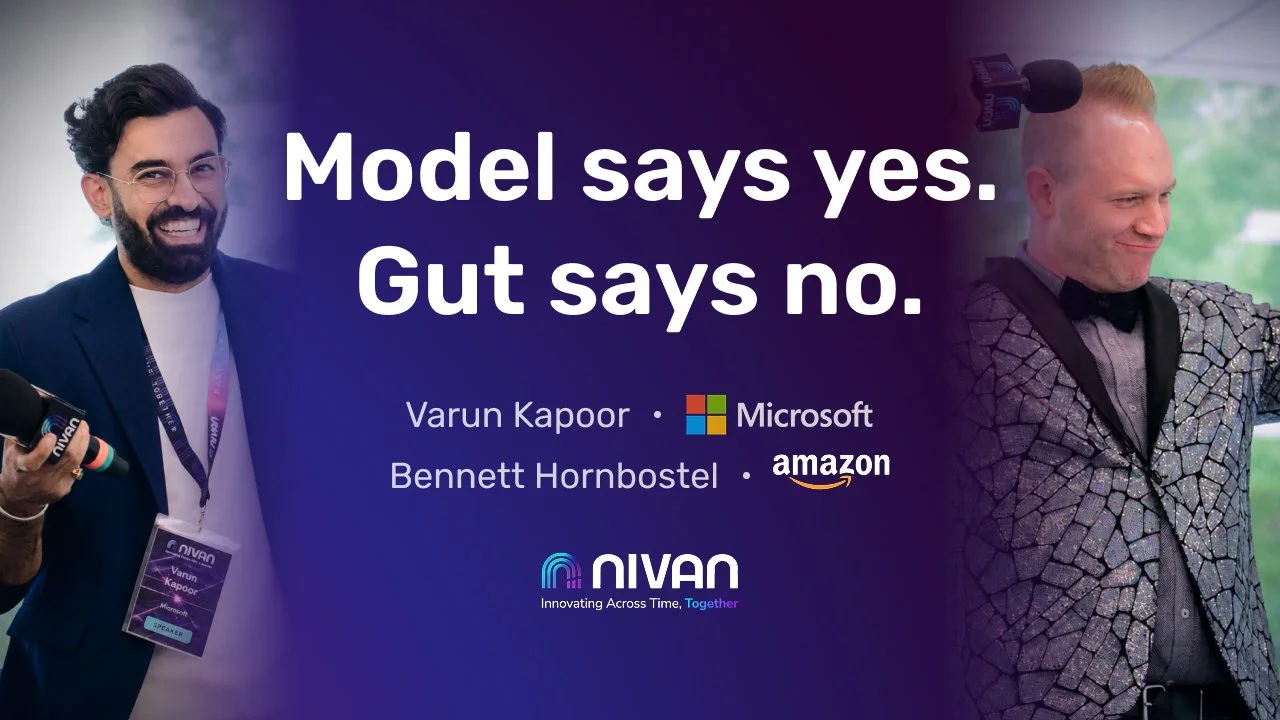
Creative Duel: Human Judgment versus AI Assistance
Amazon against Microsoft on the question the room had been circling all day. Bennett Hornbostel argued that approving what you do not understand is symbolic approval. Varun Kapoor argued that AI is a peer and the guardrails are your job. No winner was declared.
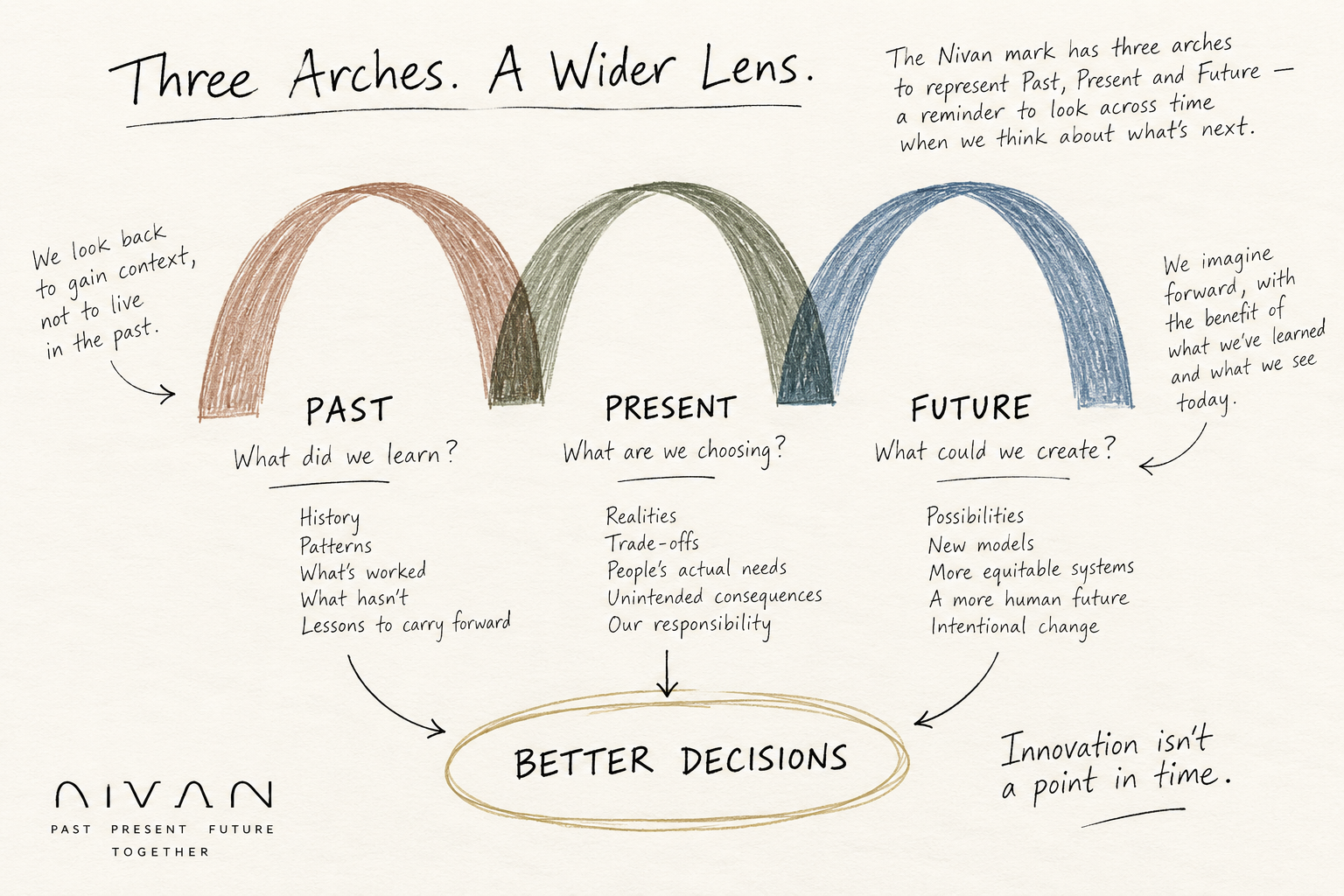
Why I Started Nivan: Looking at Innovation Through the Lens of Time
Nivan did not start as a business idea. It started as a way of thinking I could not switch off. A personal note on curiosity, two decades in research and design, and why I built a place where innovation is examined across time rather than only at the front edge of it.
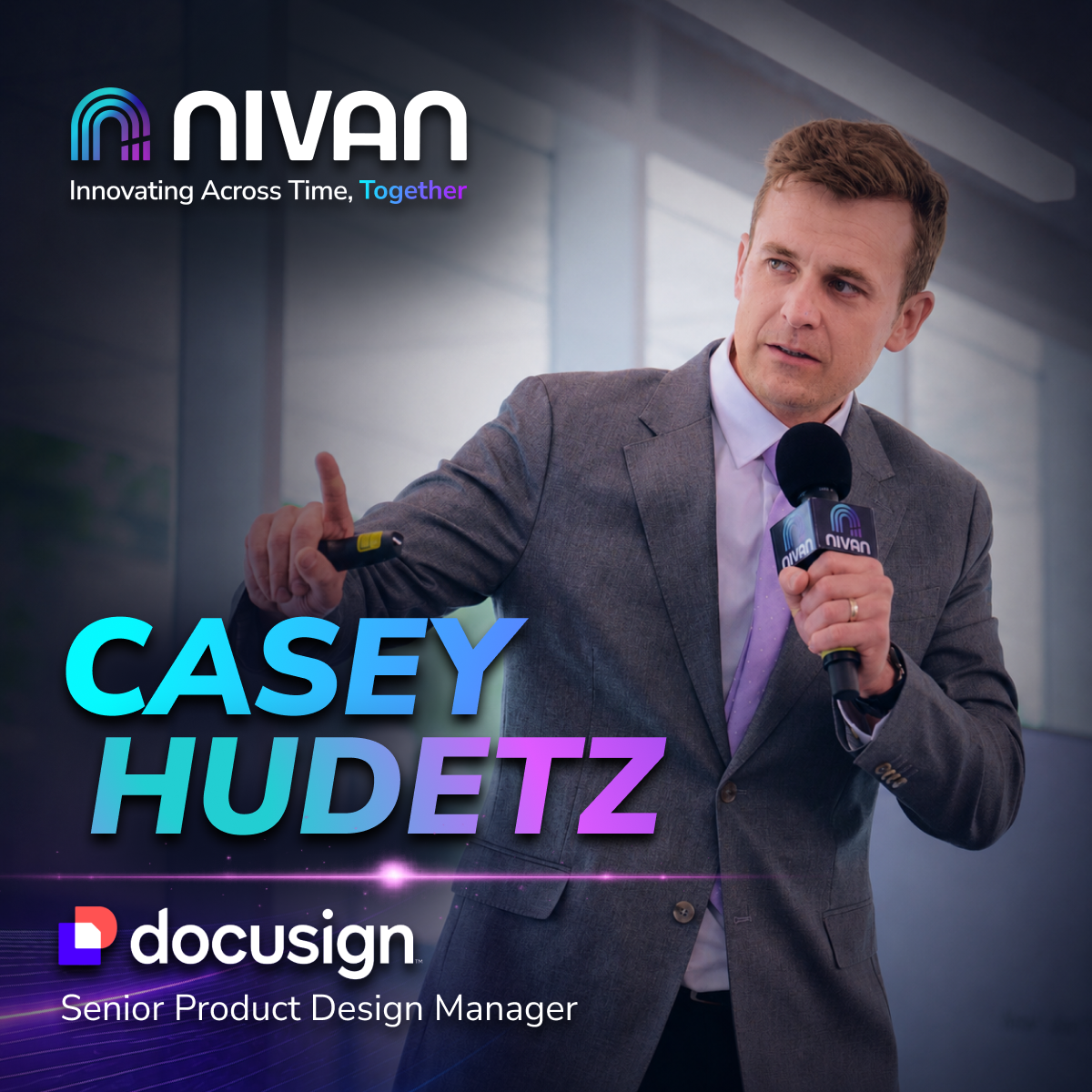
The Friction You Are Removing Was Doing Something
"Now I don't need to bug someone." Casey Hudetz heard that sentence everywhere, and named what it adds up to: a bug free workforce. The gains are real. But the friction AI removes is not always waste. Some of it was where trust got built, where context got shared, where a junior person learned by watching someone think out loud. Sherry Turkle, Project Aristotle and an MIT badge study on coffee breaks on what we lose when the interruptions disappear.
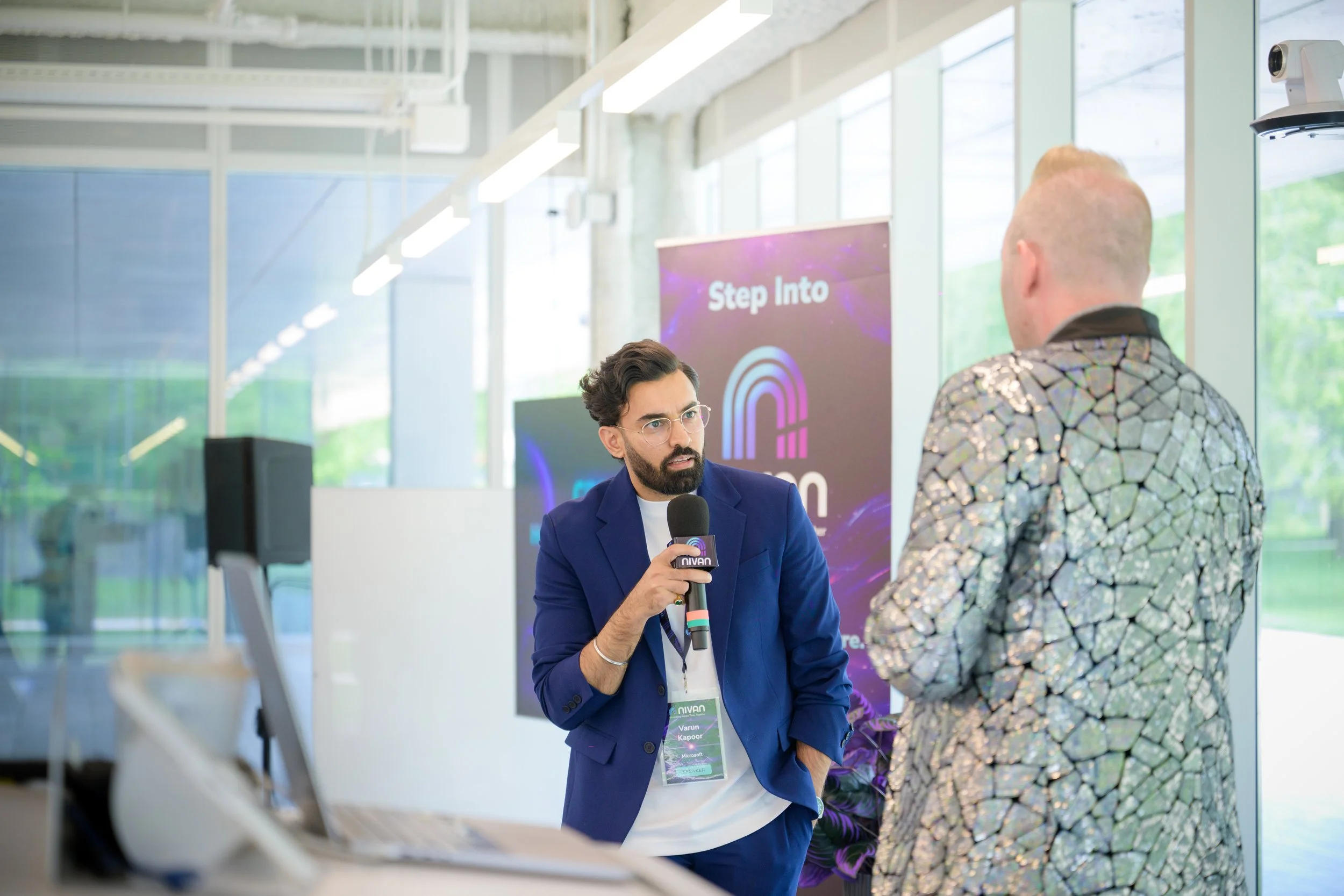
What Is the Nivan Creative Duel? The Story Behind Our Signature Format
The Nivan Creative Duel is a live debate built for sparks. Two minds, opposite sides, one room. Here is the story behind Nivan's signature format and what is coming next.